
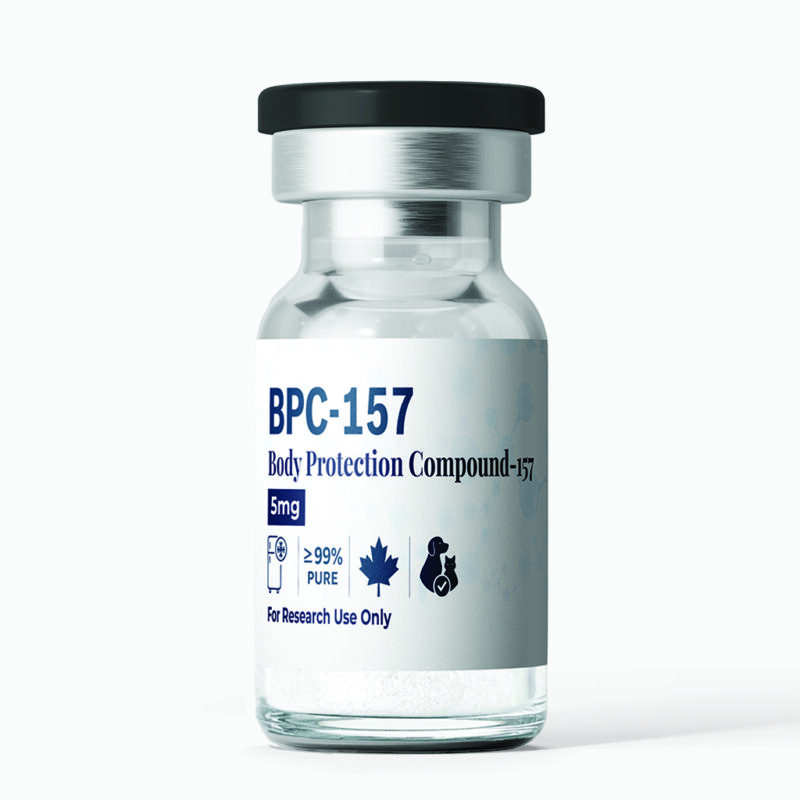
BPC 157 5mg
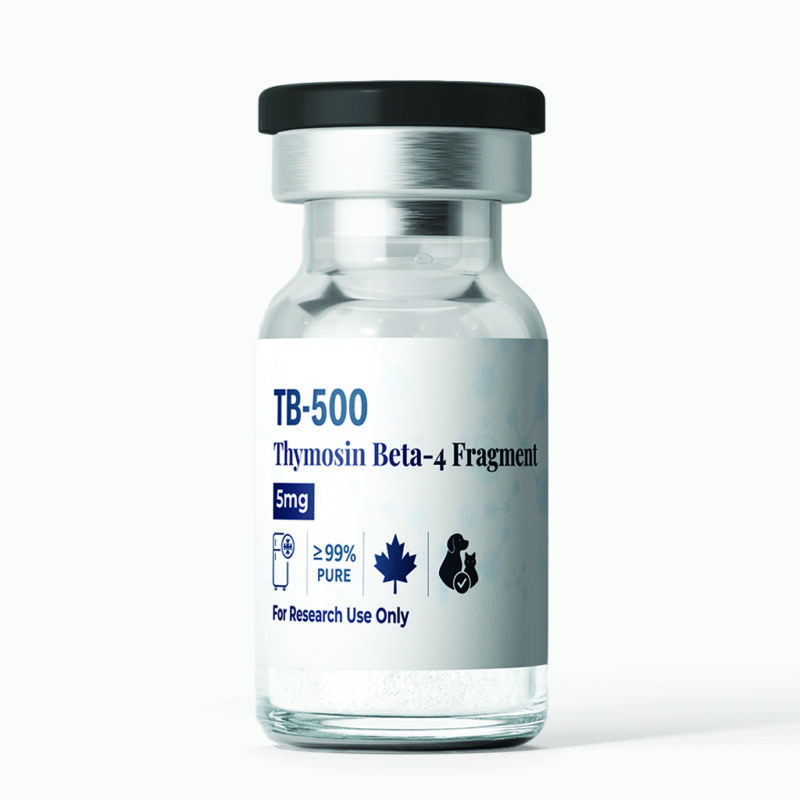
TB-500 5mg
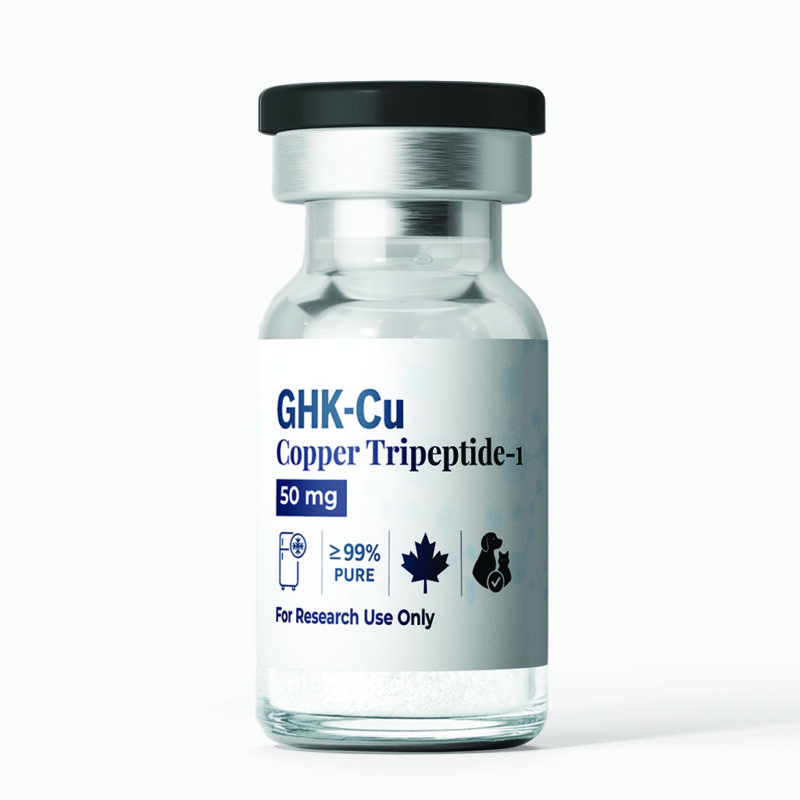
GHK-CU 50mg
Frequently Asked Questions - Pets
What are pet research peptides?
Pet research peptides are compounds studied in veterinary and animal-model research, such as BPC-157, TB-500, KPV, SS-31, and MOTS-C. Pepti groups these in its Pets category for researchers in Canada. They are sold strictly for laboratory research and are not intended for direct use in dogs, cats, or other pets.
Can I give my dog BPC-157?
No, research-grade BPC-157 should not be given to a dog at home. Pepti labels its BPC-157 in Canada as not for human or veterinary consumption and sells it only for laboratory research. Any concern about a dog’s injury or recovery should be discussed with a licensed veterinarian who can recommend approved care.
Which peptides are commonly studied in animal research?
BPC-157, TB-500, KPV, SS-31, MOTS-C, and Epitalon are commonly studied in animal research for tissue repair, inflammation, mitochondrial function, and aging. Pepti offers all of these in its Pets category for researchers in Canada, with each compound quality tested at a local Canadian facility before shipping.
Why is the BPC-157 and TB-500 blend popular in animal research?
The BPC-157 and TB-500 blend is popular because it combines two repair-signaling peptides in one vial, making comparative animal studies simpler. Pepti offers a BPC-157 5mg plus TB-500 5mg blend in its Pets category for Canadian researchers, tested for purity to the same standard as the individual compounds.
Are research peptides safe for pets?
Research peptides are not approved as pet treatments, so their safety for home use in animals is not established. Pepti sells its Pets category peptides in Canada strictly for controlled laboratory research. Pet owners should always consult a licensed veterinarian rather than using research compounds from Pepti or any other supplier.
Are they approved for dogs and cats?
Products labelled for research use are not approved veterinary drugs, and Health Canada regulates veterinary medicines.
Why do owners look into them?
Usually because a pet is stiff, itchy, older or slow to recover. The worry is real, but online claims are not proof.
Do studies cover dogs and cats?
Much of the published work comes from laboratory settings, so results should not be assumed for a family pet, and no tested dose exists. Cats also process many substances differently from dogs.
What should I do first?
Book a vet visit, describe the symptoms, and ask about proven options such as weight management, gentle exercise, physiotherapy or approved medication.
What if I already gave something?
Tell your vet exactly what it was and bring the packaging. Call urgently if you see vomiting, collapse or sudden pain.