
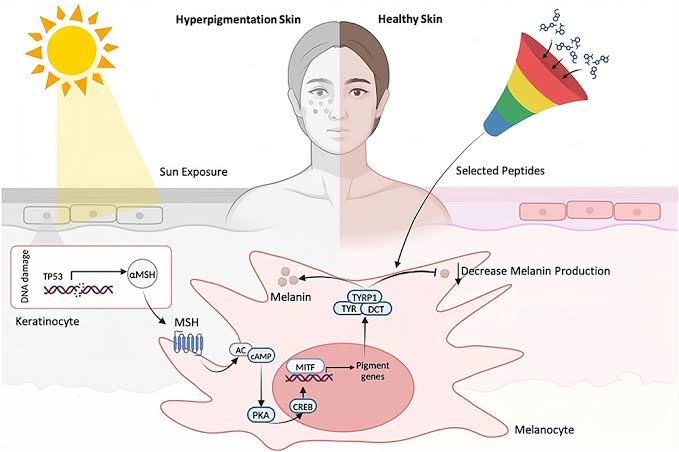
Expanding upon basic cellular observation, modern dermatological research increasingly focuses on the therapeutic potential of targeting specific melanocortin receptors to treat complex pigmentary disorders. Highly purified synthetic peptides serve as critical tools for investigating conditions such as vitiligo, post-inflammatory hyperpigmentation, and melasma, where traditional topical treatments often fall short. By monitoring how these precise amino acid sequences modulate the expression of key enzymes like tyrosinase, scientists can uncover novel methods for achieving uniform skin tone and accelerating tissue recovery at a molecular level. Maintaining absolute chemical consistency across these research models is imperative, as even minor structural deviations can alter receptor binding affinity and compromise the validity of the study’s dermatological outcomes.