
The Mechanics of Peptide Signaling in Immune Response and Inflammation Control
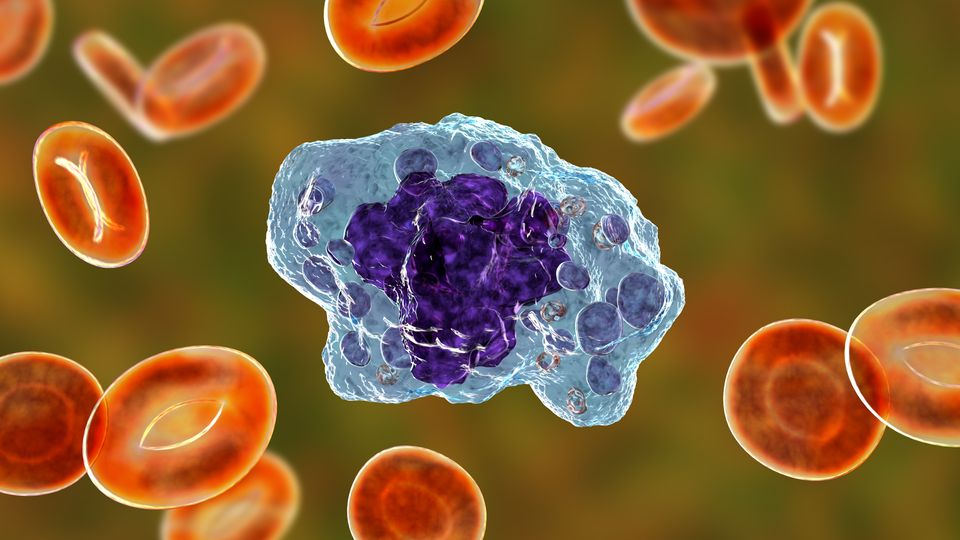
Investigating the complex pathways of the immune system requires highly stable, research-grade compounds capable of modulating cellular defense mechanisms and inflammatory markers. Advanced regulatory peptides offer a precise framework for studying how specific amino acid chains interact with macrophage receptors, cytokines, and T-cells to influence the body’s natural defense responses. By introducing these synthetic sequences into controlled laboratory models, researchers can closely observe the suppression or activation of chronic inflammatory pathways, localized tissue recovery, and cellular signaling cascades. Utilizing peptides with absolute structural integrity ensures that your immunological research yields the clean, verifiable data necessary to understand cellular defense and advance targeted anti-inflammatory therapies.
Targeting Chronic Inflammatory Pathways for Accelerated Tissue Regeneration
Expanding beyond general immune system tracking, modern biochemical research heavily focuses on utilizing targeted signaling peptides to intercept destructive inflammatory cycles before they cause permanent cellular damage. Chronic inflammation often stalls the natural cellular repair process, but specific synthetic peptide sequences can be engineered to mimic natural anti-inflammatory proteins, effectively encouraging cells to shift from a defensive state to an active healing phase. By analyzing these precise molecular interactions, scientists can discover new methods for accelerating muscle, joint, and tissue recovery at a microscopic level. Ensuring uncompromised chemical purity in these research models is essential, as maintaining a clean, contaminant-free environment is the only way to accurately measure a compound’s true therapeutic impact on cellular regeneration.